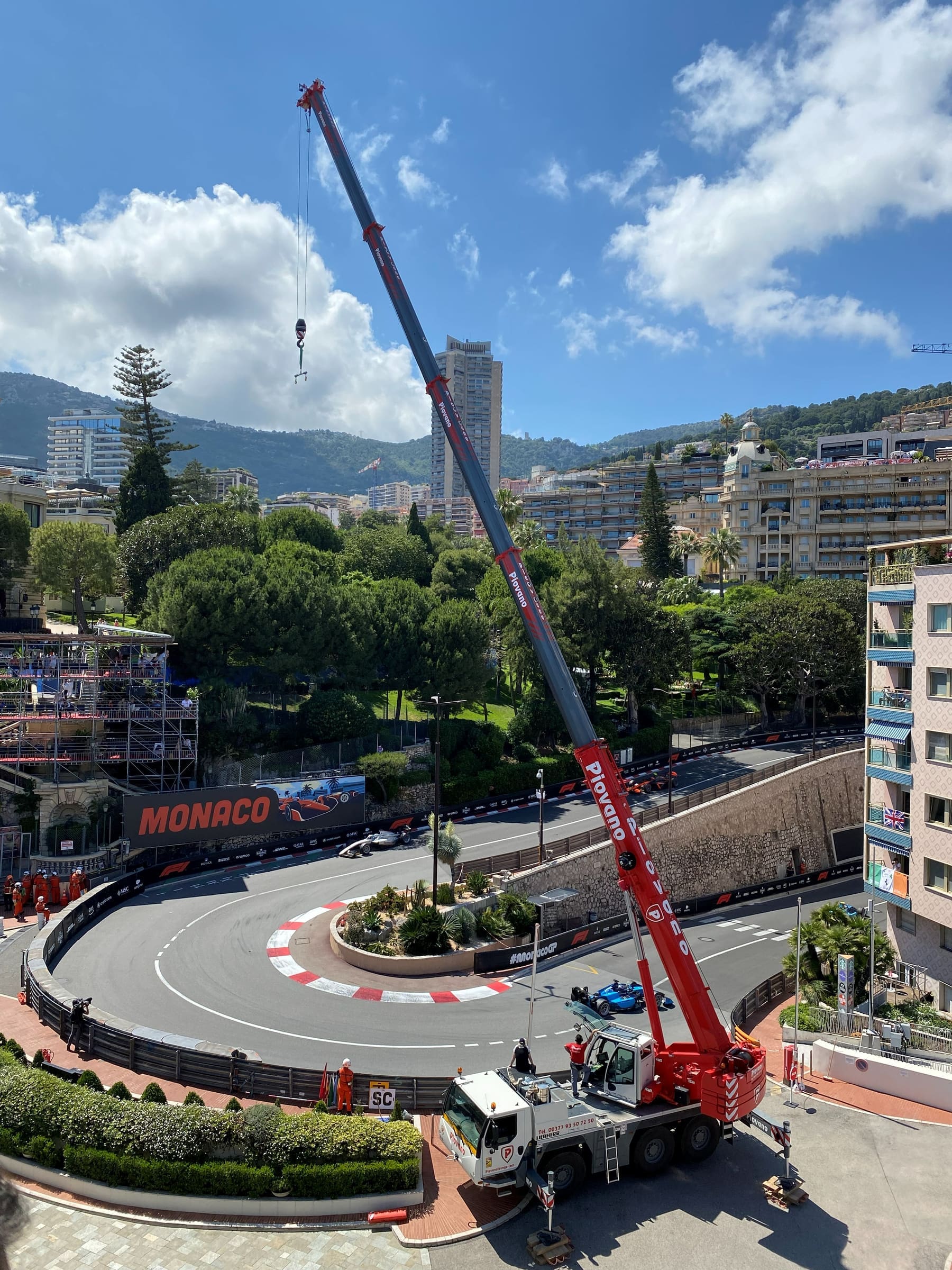
Event weekend · Formula 1 Monaco Grand Prix 2027
Monaco Grand Prix Weekend — view trip
Race weekend with a group. Your hotel, your seat, your call.
Jun 4 – 6, 2027Circuit de Monaco
- Days
- 6
- Pace
- Relaxed
From
$1,880
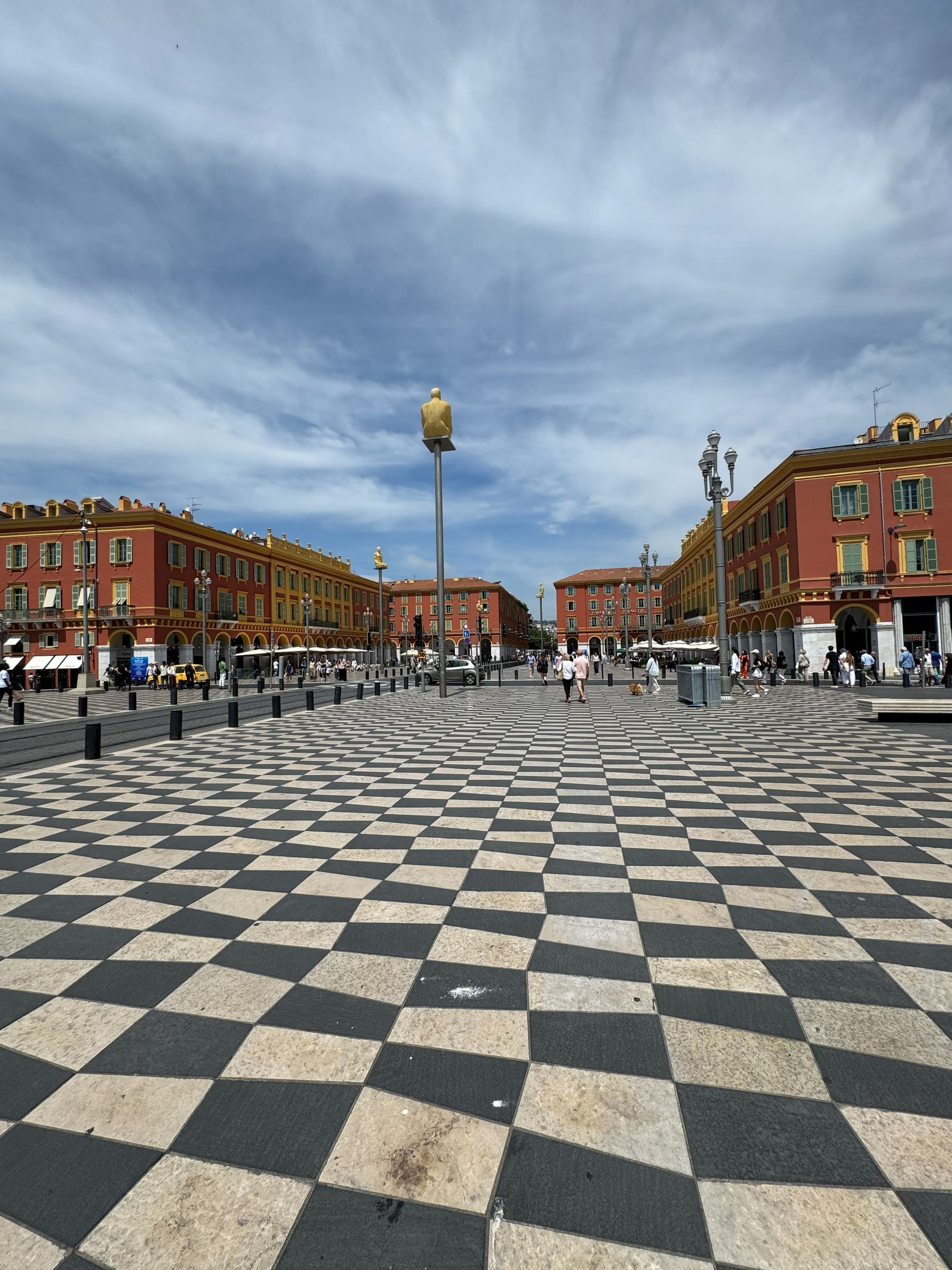
Côte d'Azur, France
Belle Époque promenades, a pastel old town and the bluest water on the Riviera. Trains along the coast every half hour.
Nice is a city of about 350,000 people that most visitors treat as a beach. It is a beach, and the beach is made of stones. It is also the only place on this coast with a proper old town, a real market, two excellent museums up a hill, and a regional railway that puts eight more towns within forty minutes. That railway is the reason to stay here rather than anywhere prettier.
You have already chosen how you are staying. This is what the city gives you at each of those levels — not because the tiers lock anything, but because they are a decent guess at the kind of day you want. Read the one you booked, then read the others, because nothing here is fenced off.
The version of Nice that costs almost nothing and is, on a clear morning, the best one.
Start at Vélo Bleu, the city bike share. Stands are everywhere, a short hire is the price of a coffee, and the Promenade des Anglais runs seven flat kilometres along the water with a separated bike lane the whole way. Ride west to the airport end and back and you have seen the whole bay before most people are up.
Then Cours Saleya, which is two different markets depending on the day: flowers and produce Tuesday to Sunday, antiques on Monday. Buy socca — a chickpea pancake, eaten standing, from a copper pan — and do not sit down for it.
Walk up Colline du Château. There is no château, there is a waterfall, a cemetery and the single best view of the tiled roofs and the curve of the bay. It is free, there is a lift if you would rather not take the steps, and it is the photograph you came for.
In the afternoon, the trains. A single to Villefranche-sur-Mer takes six minutes and drops you at a deep-water bay with a yellow-and-ochre old town stacked above it. Antibes is twenty-five minutes the other way. Both cost less than lunch.
Libération on the tram, north of the centre, has the market that Niçois actually shop at, and is where you will eat best for the least.
The same city with the doors open.
Two museums, both up in Cimiez, both worth the bus. The Musée Matisse sits in a red villa in an olive grove and holds the work he made here over forty years. Ten minutes away the Musée Marc Chagall was built around one cycle of paintings and is the better building of the two. Down in the port, MAMAC covers the Nouveaux Réalistes, who were mostly from here.
Give an afternoon to the Moyenne Corniche, the middle of the three roads east. The bus climbs to Èze, a village welded to a rock 400 metres above the sea with a cactus garden at the top. Come back along the water instead of the way you went.
Eat in Vieux Nice but get off the Cours Saleya: the lanes one street back are where the food stops being a menu in four languages. Order pissaladière, daube and whatever the fish is.
Nice from the water, and the meals you plan around.
Boats leave Port Lympia for Cap Ferrat and Villefranche, and the coast is a different place from a hundred metres offshore: the villas are visible, the water is clear over sand rather than stones, and the swim stops are the point. A half-day shared trip is the easy version.
On land, Villa Ephrussi de Rothschild on Cap Ferrat — a pink villa with nine gardens and a musical fountain, built by a Rothschild who could not decide on a style and so chose all of them. Villa Kérylos next door is a wealthy Hellenist's idea of a Greek house, done seriously.
Book one proper lunch. La Petite Maison is the one everybody means when they say they ate well in Nice, and it is a lunch rather than a dinner because the room is better in daylight. Reserve well ahead; race week and August are not walk-in weeks.
A private beach club on the Promenade gets you a lounger, a ladder into the water and a waiter, which is the difference between the pebbles being charming and being pebbles.
The coast with the logistics removed.
Take a car and driver for the Grande Corniche, the highest of the three roads, built by Napoleon on the Roman Via Julia Augusta. Stop at La Turbie for the Trophy of Augustus and the view down onto Monaco, then drop into Èze from above rather than climbing to it.
Le Chantecler, inside the Negresco, is the serious dining room in the city. The hotel itself is worth walking into whether or not you eat: a pink dome by the man who built the Eiffel Tower's frame, and a Niki de Saint Phalle in the salon.
For a day, charter a boat rather than joining one. From Nice, Saint-Tropez is reachable and back, Cannes comfortably, and the Îles de Lérins have a monastery that has been making wine since the fifth century.
And the thing worth doing at any tier, which is easier at this one: the Monaco train, twenty-five minutes along the water, with the sea on your right the whole way.
Nice is flat and you will walk. Two tram lines cross at Jean Médecin and cover the rest; a single is EUR 1.70 and a book of ten is cheaper. Do not hire a car — parking is expensive, the corniches are slow in summer, and the train goes everywhere you would drive.
The airport is twenty minutes from the middle of town on tram line 2.
Sundays: the antiques market is Monday, so a Sunday morning is the flower market and a long lunch. Museums mostly close Tuesday. The Nice Côte d'Azur museums share a pass if you are doing more than two.
Updated 13 October 2026 · Guideless · 5 min read
Event weekend · Formula 1 Monaco Grand Prix 2027
Race weekend with a group. Your hotel, your seat, your call.
Jun 4 – 6, 2027Circuit de Monaco
From
$1,880
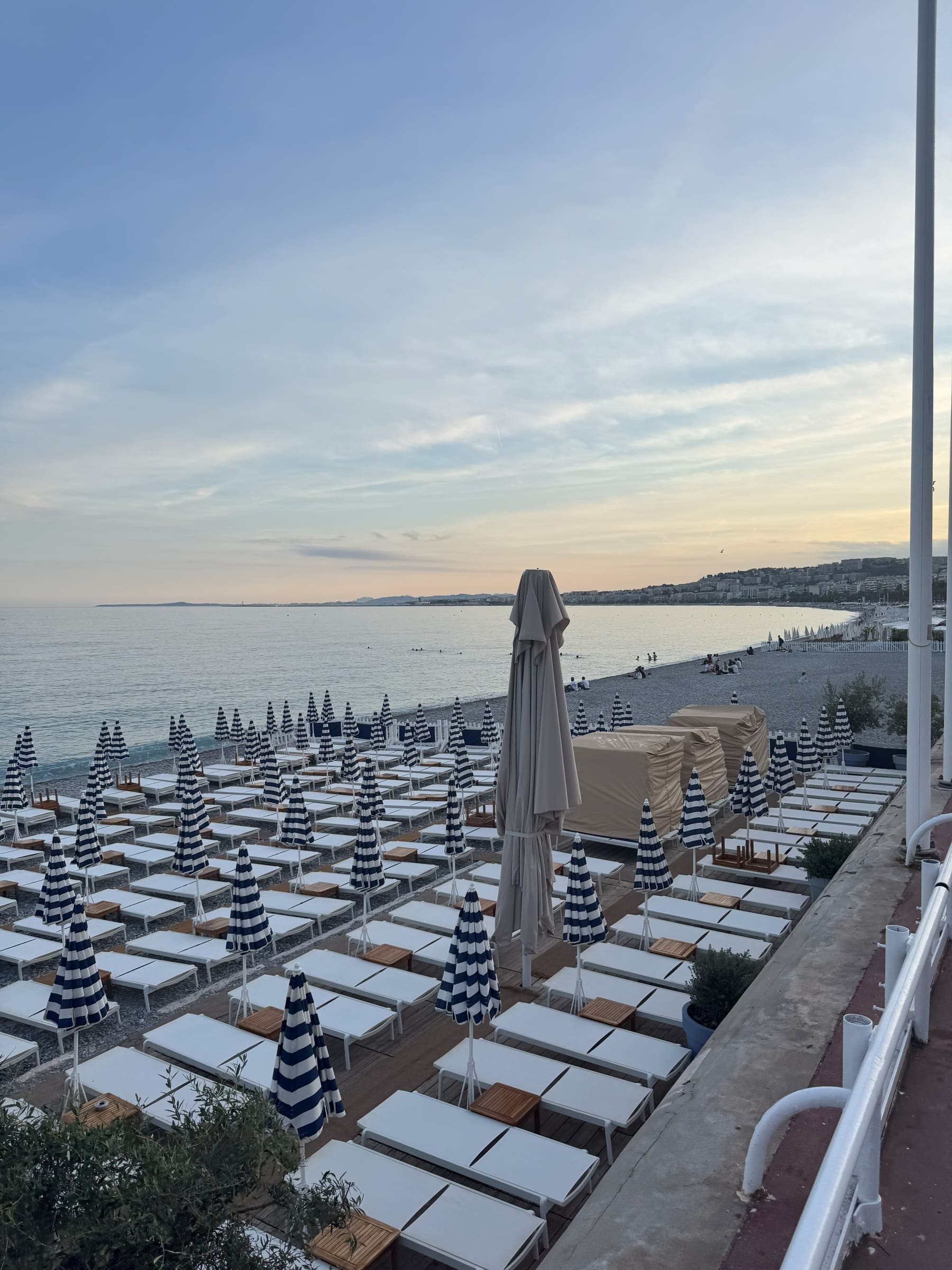
Nice → Avignon → Paris
Riviera light, Provençal wine, Parisian evenings — on your own terms.
From
$2,615
Places and ideas from Guideless editors. Check current details before you go.
Cours Saleya market
Walk the Old Town market square for flowers, produce and Niçoise specialties. Monday swaps the flower market for antiques; check the official page for the current schedule.
Vieux Nice
Castle Hill panorama
Climb through the Old Town—or use the free lift near Rue des Ponchettes—for the park, waterfall and broad views over the Baie des Anges and Port Lympia.
Colline du Château
Old Nice and Place Rossetti
Take the narrow lanes from Cours Saleya to Place Rossetti, the cathedral and the ochre Baroque streets. It is an easy wander rather than a timed attraction.
Vieux Nice
Promenade des Anglais swim and walk
Follow the seafront west from the Old Town or stop at a public beach for a swim. Nice’s official guide lists the Promenade beaches and La Réserve as public swimming options.
Baie des Anges
Hotels and trains are handled. Choose where you stay and what you join; the rest of the week is yours.
Build this trip